1  合理的书写风格 (如上例,当写一个较复杂的子查询的时候,要合理的添加换行、缩进), 可以借助PL/SQL Developer工具
	2  使用小括号
	3  主查询和子查询可以是不同表,只要子查询返回的结果主查询可以使用即可
	   --查询部门名称是"SALES"的员工信息:
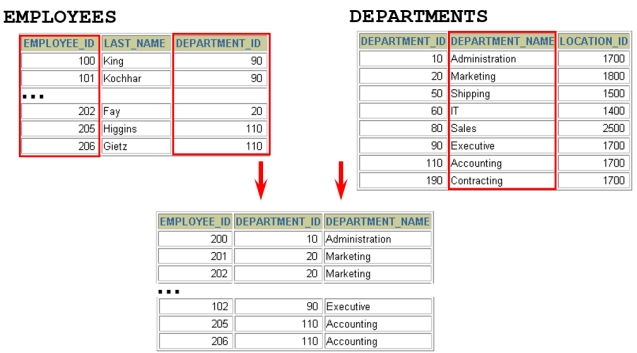
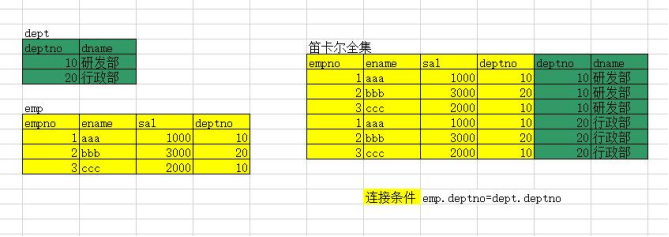
	     分析: 部门名称在dept表中, dept表与emp表是通过deptno联系在一起的.
	     --使用子查询
	   	 	select * from emp where deptno=(select deptno from dept where dname='SALES');
	   	 --使用多表查询
	   	    select e.* from emp e, dept d where e.deptno=d.deptno and d.dname='SALES';

	4 可以在主查询的where、select、having、from后都可以放置子查询
	     a 在select后使用子查询的情况:
	       查询10号部门员工号, 员工姓名, 部门编号, 部门名称
	       select e.empno, e.ename, e.deptno,(select dname from dept where deptno=10) from emp e where e.deptno=10;
		   注意点: 在select后面使用子查询必须保证子查询结果只返回一条记录.

	     b 在having后面使用子查询的情况:
	       查询部门平均工资高于30号部门平均工资的部门和平均工资
	       1 先查询30号部门的平均工资
	       	 select avg(sal) from emp where deptno=30;
	       2 查询每个部门的平均工资
	         select deptno, avg(sal) from emp group by deptno;
	       3
	        select deptno, avg(sal)
			  from emp
			 group by deptno
			having avg(sal) > (select avg(sal) from emp where deptno = 30);

	5 不可以在主查询的group by后面放置子查询 (SQL语句的语法规范)

	6 强调:在from后面放置的子查询(***), from后面放置是一个集合(表、查询结果)

	7 单行子查询只能使用单行操作符, 多行子查询只能使用多行操作符(前面的> < = 都是单行操作符, 接下来说的是多行操作符)
	  多行操作符有 IN  ANY(任意一个)  ALL (所有)

	  	--查询部门名称为SALES和ACCOUNTING的员工信息
			select * from emp where deptno in (select deptno from dept where dname in ('SALES', 'ACCOUNTING'));

	    --查询薪水比30号部门任意一个(某一个 ANY )员工高的员工信息
			select * from emp where sal >(select min(sal) from emp where deptno=30);
			select * from emp where sal >(select sal from emp where deptno=30); --错误
	    	select * from emp where sal >any(select sal from emp where deptno=30);

	    --查询比30号部门所有人工资高的员工信息
	    	select * from emp where sal>(select max(sal) from emp where deptno=30);
			select * from emp where sal>all(select sal from emp where deptno=30);

  8 一般不在子查询中使用order by, 但在Top-N分析问题中,必须使用order by

  9 一般先执行子查询(内查询),再执行主查询(外查询);但是相关子查询除外

  10 子查询中的null值
    --查询不是老板的员工信息
      分析: 可以先查询谁是老板
      	select distinct mgr from emp;
      	select * from emp where empno not in (select distinct mgr from emp);

      	select * from emp where empno not in (select distinct mgr from emp where mgr is not null);

      总结: not in 后面集合中不能出现null
      empno not in(a, b, null)---> empno!=a and empno!=b and empno!=null;
思考题?
        查询员工的姓名、薪水和年薪?  select * from ____________;
        	select * from (select ename, sal, sal*12 from emp);
        	总结: 可以将查询的结果集当成一张表来使用.
        	       也就是说, from后面既可以是表名, 也可以是select查询的结果集.


     	c 在where后使用子查询的情况:
       		--查询比平均工资高的员工的信息?
       		1 查询平均工资
       			select avg(sal) from emp;
       		2 select * from emp where sal>2073;
       		合成一步:
       			select * from emp where sal>(select avg(sal) from emp);


        d 在having后使用子查询的情况:
          --查询最低薪水高于30号部门最低薪水的部门及其最低薪水
            1 先得到30部门的最低薪水
               	select min(sal) from emp where deptno=30;  --950
            2 得到各个部门的最低薪水
            	select deptno, min(sal) from emp group by deptno;
            3 使用条件进行过滤
  			    select deptno, min(sal)
				  from emp
				 group by deptno
				having min(sal) > 950;

            将三步合并写成:
                select deptno, min(sal)
				  from emp
				 group by deptno
				having min(sal) > (select min(sal) from emp where deptno = 30);